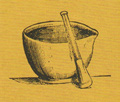
The origin of the word syllabub is obscure, according to the OED. Its earliest citation, from 1537, is a literary mention rather than a drink or food: “something insubstantial and frothy: esp. floridly vapid discourse or writing.” Initially, syllabub was a festive drink based on wine, cider or beer mixed with sweetened milk and flavoured with spices such as cinnamon and nutmeg. Often these early recipes directed the cook to milk the cow directly into a bowl of cider, ale or wine, resulting in a frothy, honey-combed top with alcoholic liquid whey underneath.

Some used a wooden cow (a tall standing base from which the milk could be poured into the bowl below) to create the same effect. Other recipes suggest a chocolate mill or moliquet to froth the milk and by the Georgian period a handheld whisk would be used. Later, when cream replaced milk and spirits replaced cider or ale, it was referred to as a whipped syllabub. This mixture was more solid and could be spooned and then drunk at the end of the cream. A further development was the everlasting syllabub. With reduced portions of alcohol and sugar to cream, this syllabub could stand for a long time without separating and was a dessert rather than a drink.
The following recipe is one which could also be used for trifle or served with fruit such as Pears Portuguese Fashion (Fife & Drum, May 2005). It has been adapted in the kitchens at Fort York from Hannah Glasse’s The Art of Cookery Made Plain and Easy (London, 1796; facsimile edition 1971)
1 L (4 cups) cold 35% cream (whipping cream)
500 ml (2 cups) white wine
2 lemons (juice of 2, grate of 1)
250 ml (1 cup) white sugar
Whip cream until it forms soft peaks. Gradually add sugar, wine, and then the juice and grate of the lemon. Continue to beat until the cream will hold peaks. Serve in small glasses or a large decorative bowl.
Original printed pages